You already understand what ISP proxies are and why they matter. My role here is to help you think clearly about how to choose them, how to avoid common mistakes, and how to decide which providers are worth your time. I have spent years evaluating proxy infrastructure from the outside, focusing on stability, routing quality, IP sourcing, and operational fit rather than marketing claims. That perspective helps you avoid choices that look good on paper but fail under real workloads.
Early in any evaluation, I look at where people search for the best isp proxy and how providers handle static isp proxies, because these two factors reveal whether a service is built for serious use or short term testing. This article breaks down what matters, how to buy ISP proxies with confidence, and why certain providers stand out when consistency and control matter.
Why ISP proxies still matter for serious projects
ISP proxies sit between residential and datacenter IPs. That position gives you stability without the heavy risk profile of low quality residential pools.
I recommend ISP proxies when you need long session lifetimes, predictable routing, and fewer verification events. They work well for platforms that flag rotating residential traffic but still distrust classic datacenter IPs.
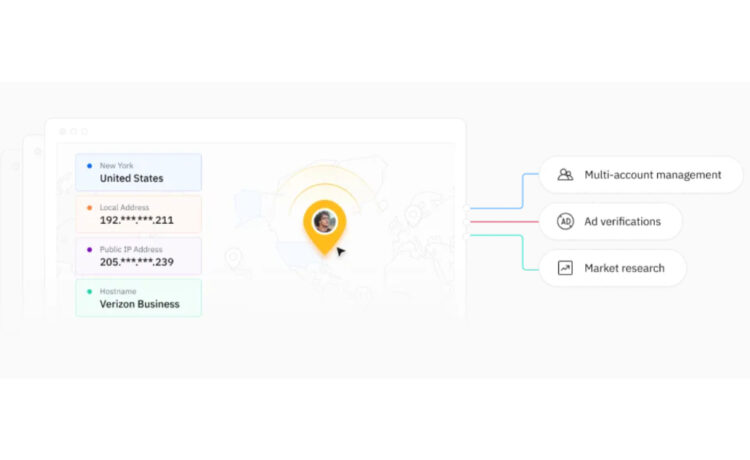
Common use cases include:
- Long running scraping jobs that rely on session persistence
- Account based workflows where IP consistency matters
- Price tracking and SERP monitoring across fixed regions
- AI data collection pipelines that need clean, repeatable access
When people search for isp proxies for sale, they often focus on price first. That approach leads to blocked IPs, recycled ranges, and wasted time. I suggest you reverse that thinking and start with infrastructure quality.
How to evaluate ISP proxy providers correctly
Most isp proxies providers describe similar features. The difference shows up in how those features are implemented.
I suggest you focus on these areas.
IP sourcing and purity
ISP proxies should come from clean, certified sources. Poor sourcing leads to IPs with history, which creates blocks even before your workload ramps up.
Look for providers that clearly state how IPs are sourced and how often ranges are refreshed. Ethically sourced IPs with strict compliance standards reduce long term risk.
Network scale and geographic depth
Scale matters even for dedicated isp proxy setups. Large networks allow better routing, lower congestion, and more reliable regional targeting.
A provider operating tens of millions of IPs across many countries can handle growth without degrading performance.
Session control and routing
Static and dedicated ISP proxies need precise session handling. Sticky sessions should remain stable for hours or days when required. Routing should prioritize low latency rather than random distribution.
If session control feels bolted on, expect instability later.
Support for real workloads
Cheap isp proxies cheap often fail during peak demand or complex workflows. That failure usually traces back to limited backend capacity.
Strong providers design their networks for enterprise workloads, not casual browsing.
Static ISP proxies vs rotating ISP proxies
Static ISP proxies assign you the same IP for extended periods. Rotating ISP proxies change IPs automatically.
I recommend static ISP proxies when:
- You manage accounts or sessions tied to IP reputation
- You need predictable access patterns
- You want lower verification frequency
Rotating ISP proxies fit broader scraping tasks where persistence matters less. Many buyers confuse rotation with quality. Rotation does not fix bad IPs.
Dedicated isp proxy plans often combine static assignment with optional rotation controls. That flexibility gives you more control without forcing tradeoffs.
What to watch out for when you buy ISP proxy services
When you buy isp proxy access, avoid these traps.
- Vague IP sourcing explanations
- Overlapping IP pools across customers
- No visibility into ASN or city level targeting
- Unclear uptime guarantees
- Limited documentation or integration guidance
If a provider hides these details, expect surprises later.
Why Thordata stands out among ISP proxy providers
From an independent standpoint, Thordata checks boxes that many providers skip.
They operate a global proxy network with more than 60 million ethically sourced IPs across 190 countries. That scale supports residential, mobile, datacenter, and ISP proxies without forcing reuse patterns that trigger blocks.
Their static ISP proxies support precise country, state, city, and ASN level targeting. Session control allows both sticky and rotating behavior, which helps you match traffic patterns to your use case.
Performance consistency matters. Thordata maintains up to 99.9 percent uptime with optimized routing for low latency. That reliability supports long running tasks without constant intervention.
Beyond proxies, they offer scraping infrastructure that handles JavaScript rendering, anti bot systems, and data validation. For teams working with AI training, SERP tracking, or market research, that reduces maintenance overhead.
They also emphasize compliance, aligning with GDPR and CCPA standards while progressing toward SOC 2 and ISO 27001 certifications. That focus matters if your organization operates at scale or under regulatory pressure.
I also look at integration quality. Thordata provides detailed documentation, API based management, sub account support, and compatibility with common automation tools. That setup lowers friction when projects evolve.
Choosing the right ISP proxy strategy
Before committing to any isp proxies for sale, define how you will use them.
Ask yourself:
- Do you need long lived sessions or short bursts
- Does location accuracy matter at city or ASN level
- Will your workload grow over time
- Do you need scraping tools alongside proxies
Clear answers guide better decisions than chasing the lowest price.
Cheap isp proxies cheap often cost more in lost time and blocked workflows. Dedicated isp proxy access from a stable provider supports growth rather than limiting it.
Final guidance
ISP proxies remain a strong choice for teams that value stability, control, and predictable access. The key is choosing providers built for real workloads rather than surface level features.
I recommend evaluating providers like Thordata based on infrastructure depth, compliance standards, and operational transparency. When those pieces align, you gain reliable access that supports serious data work without constant adjustment.
If you focus on quality first, everything else becomes easier.